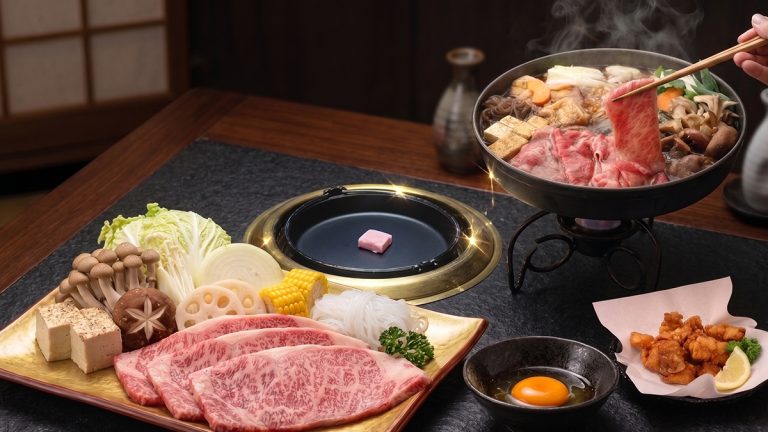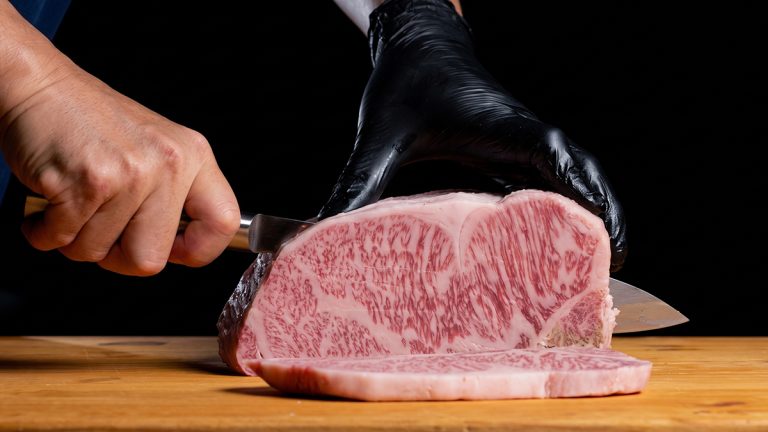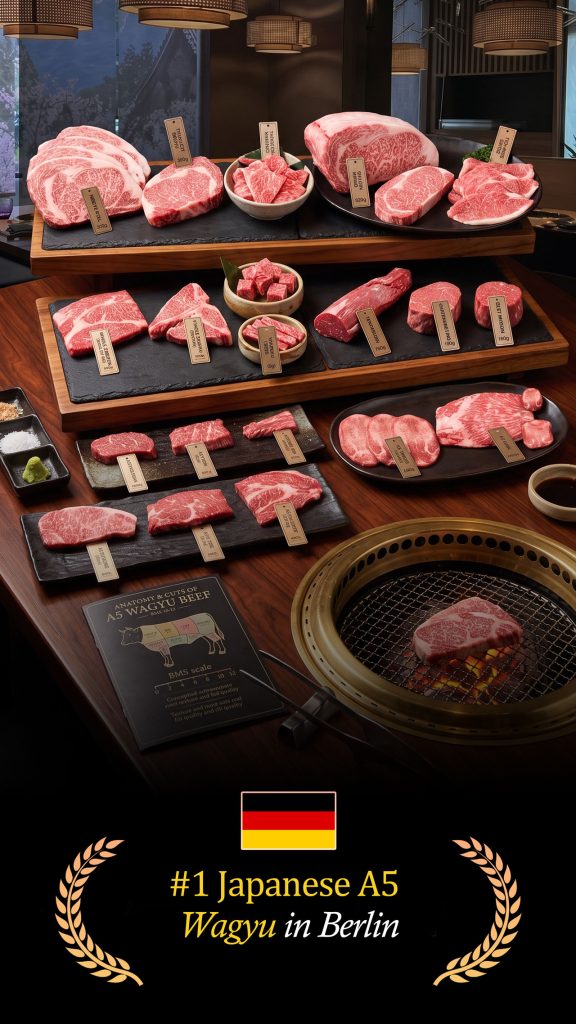
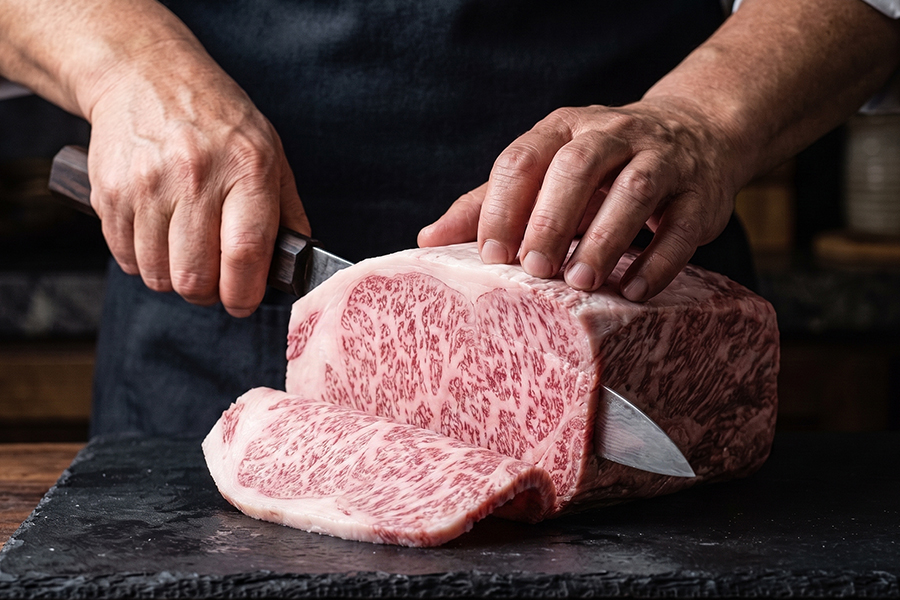
Looking for Wagyu in Berlin? Nikuya Yakiniku serves Japanese A5 Wagyu for a Japanese BBQ experience at the table. Wagyu is known for its fine intramuscular marbling, tenderness, and rich umami. At Yakiniku, the thin cuts are grilled in small portions so you can taste each cut while it is at its best.
Wagyu means `Japanese cattle`. It is not one single flavour or cut: the eating experience changes with the breed, origin, grade, cut, marbling, and the way the meat is prepared. Japanese A5 Wagyu is valued for its high marbling and delicate texture, while Wagyu F1 and Angus-Wagyu crossbreeds can offer a more beef-forward flavour with a lighter richness.
Nikuya’s current Wagyu offer can include Japanese A5 cuts and sharing sets, alongside selected Australian Wagyu F1/Angus beef. The menu changes with availability, so the current menu is the best source for exact cuts, portions, and prices. Our team can help guests compare options and build a Wagyu meal that works for the table.
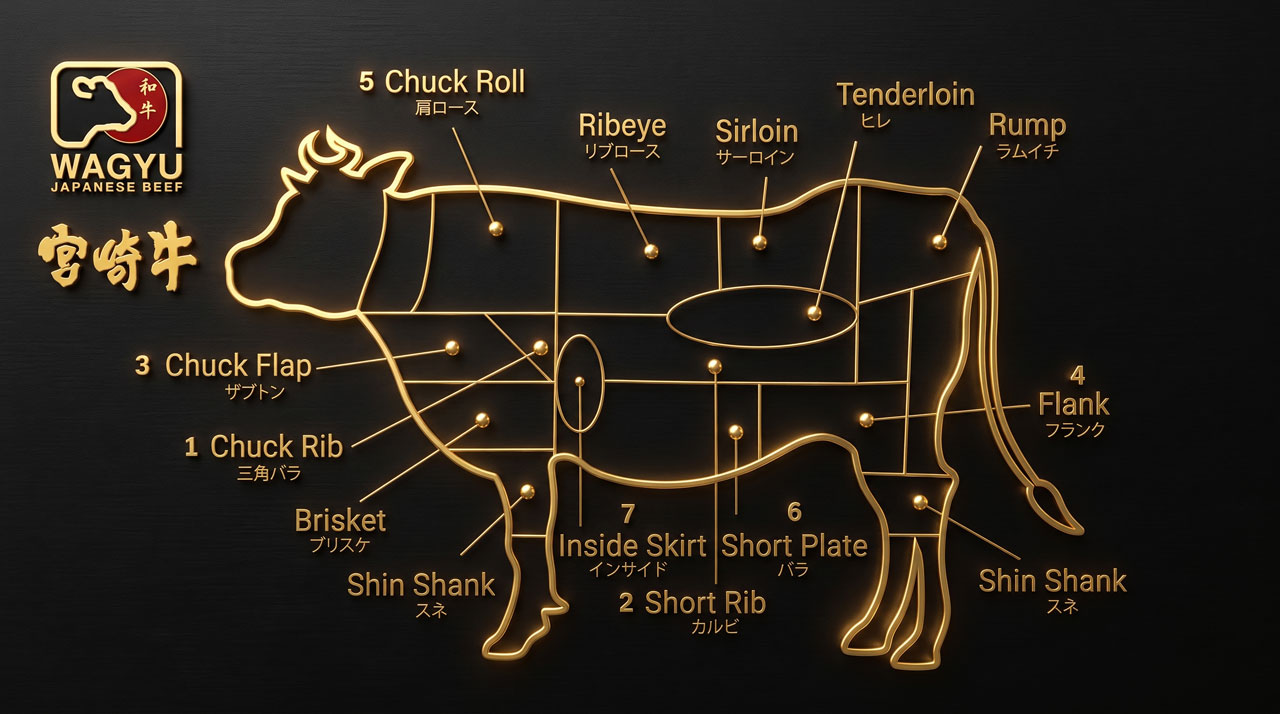
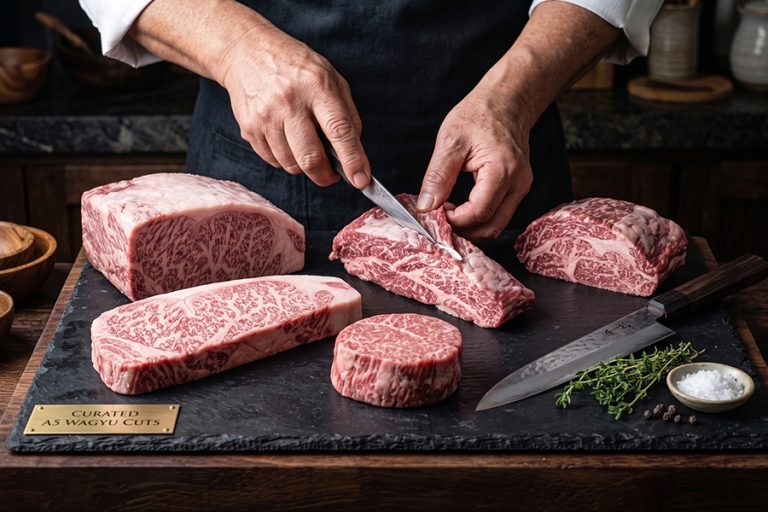
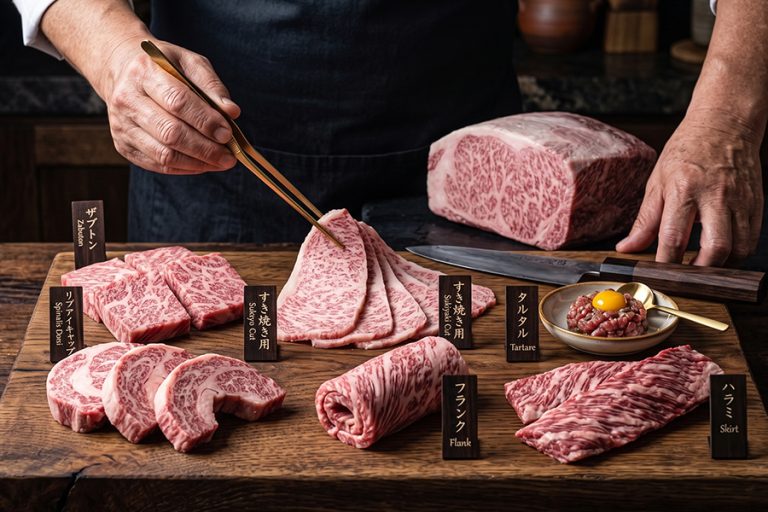
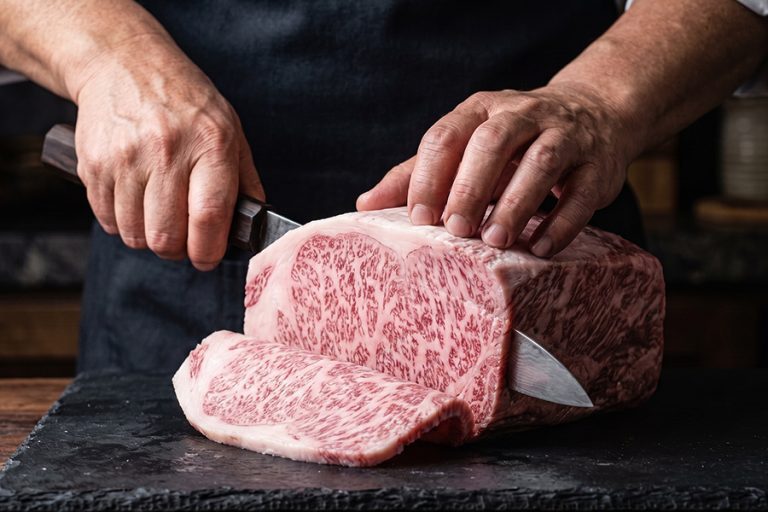
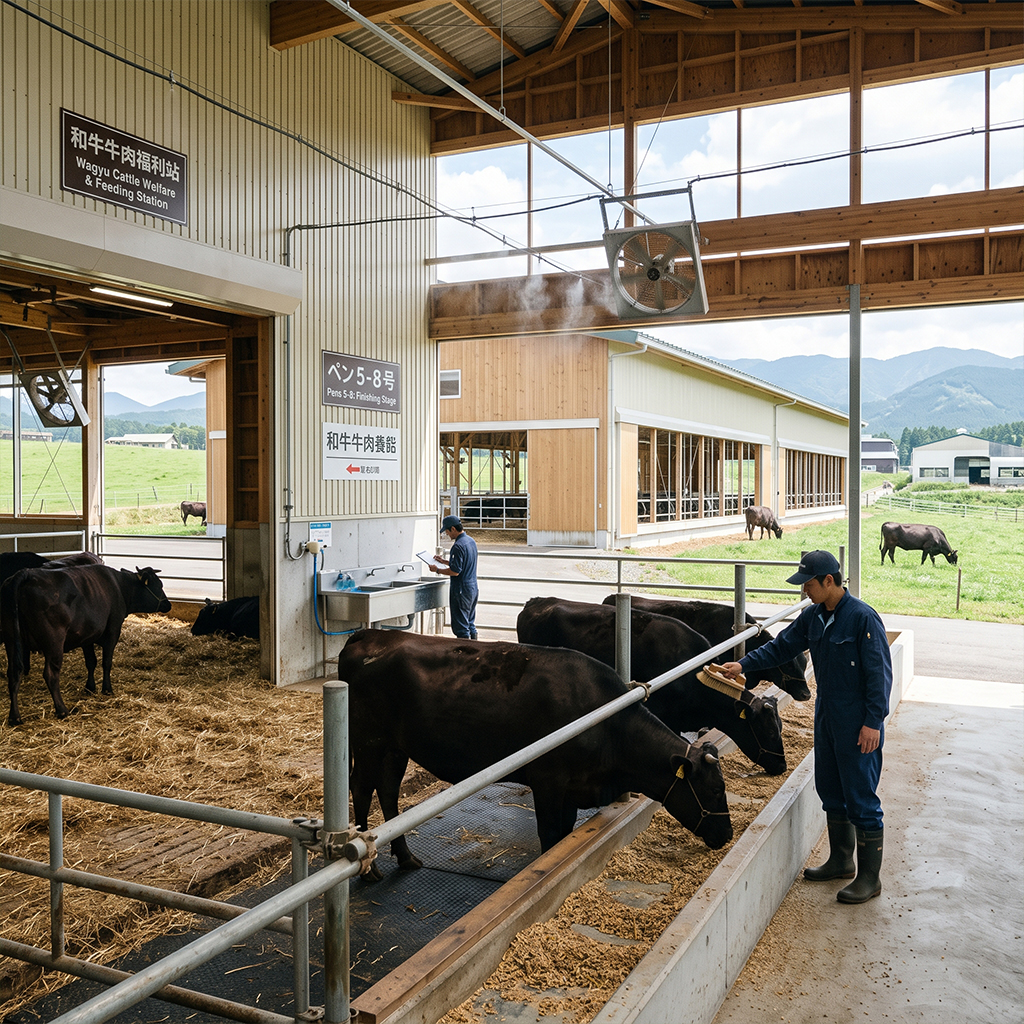
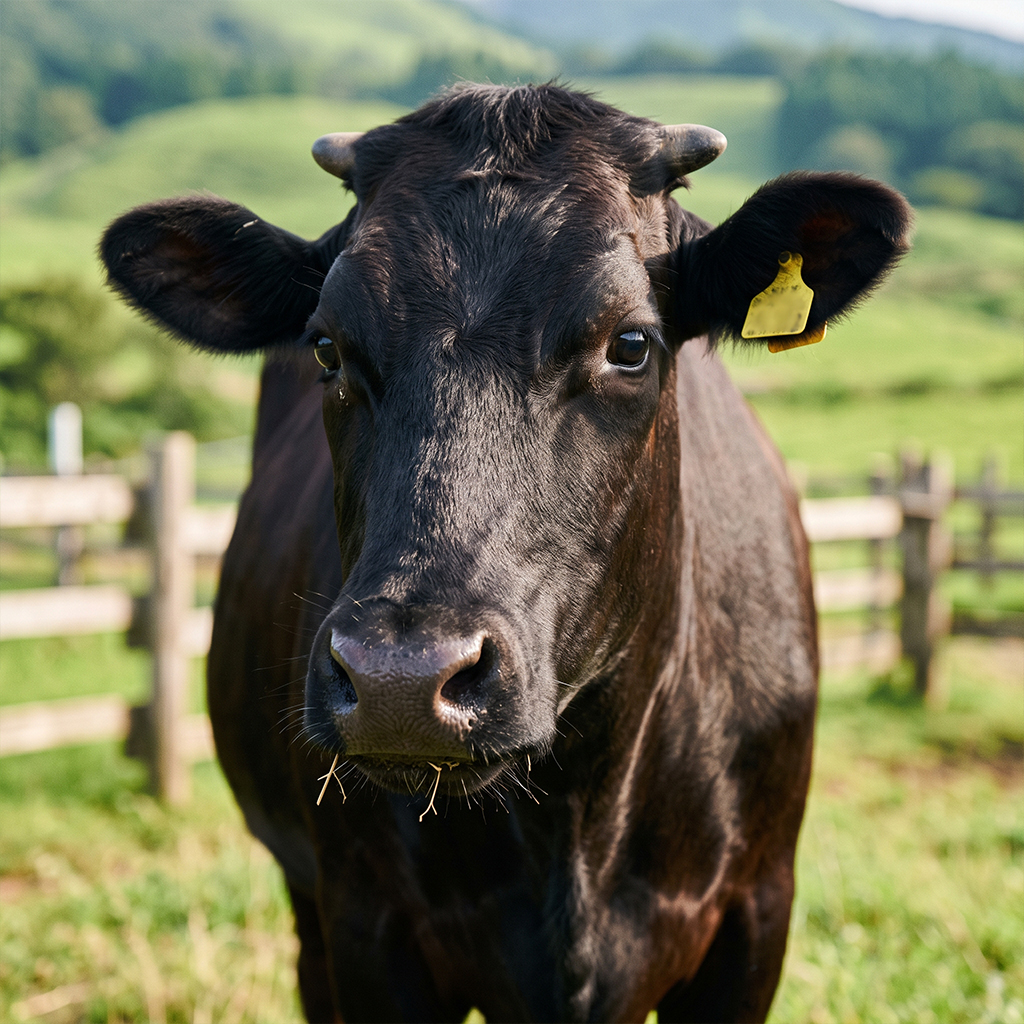
Japan produces over 300 brands of Wagyu beef, each with unique qualities and characteristics. Each wagyu brand have different standards on bloodline, breed, grade the method and period of time raised. NIKUYA YAKINIKU uses Miyazaki Beef from the Miyazaki Prefecture and also Kagoshima..
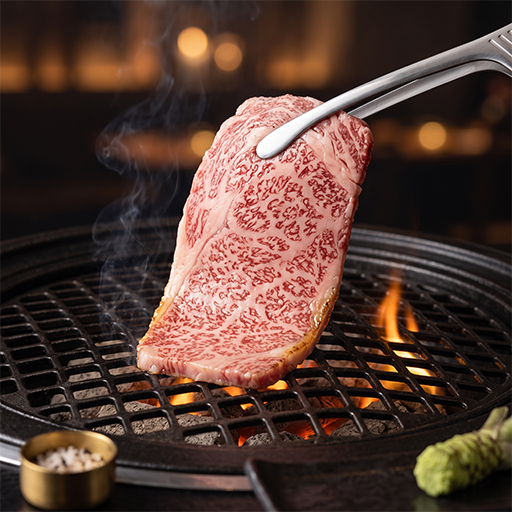
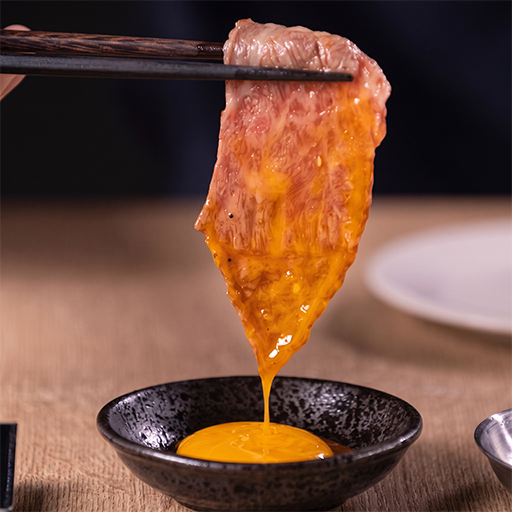
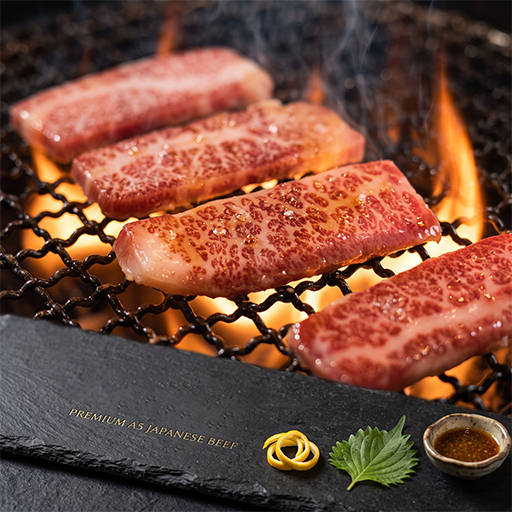
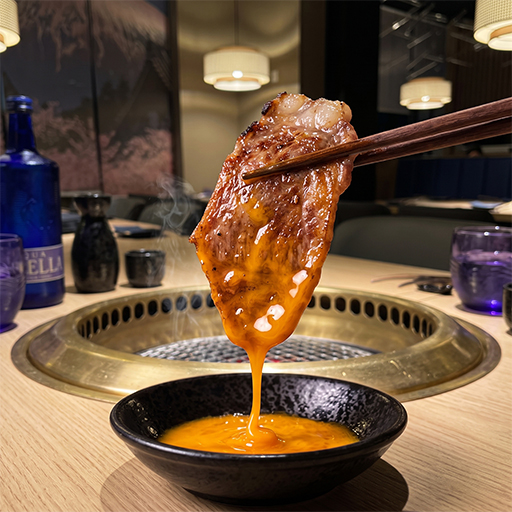
Preheat the table grill well, then cook only a few pieces at a time. Thin Wagyu slices generally need a quick sear on each side; leaving them too long on the grill can render too much fat and reduce their tenderness. Start with a lightly seasoned cut, taste it without a heavy sauce first, then add a small amount of sauce or seasoning if you wish. For thicker cuts or a specific cut on the menu, ask the Nikuya team for the recommended grilling time.
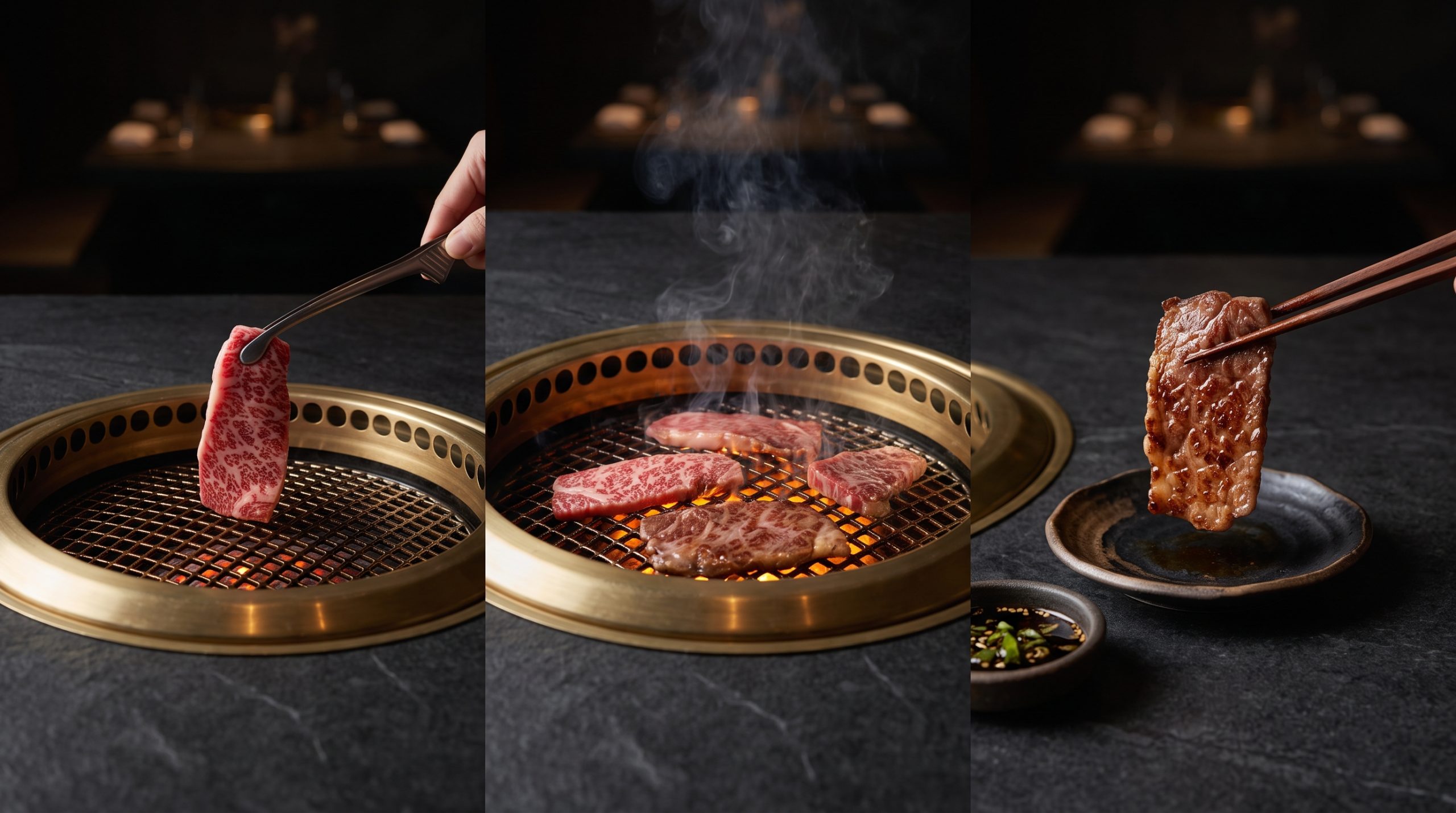
Let the grill become properly hot before cooking. Place only a few slices at a time, so each piece sears evenly instead of steaming.
For thinly sliced Wagyu, sear briefly until the surface caramelises, then turn once to finish. Richer cuts need only a short grill time to keep their buttery texture and natural juices.
Let the meat rest for a few seconds, then dip lightly in tare sauce or enjoy with a touch of salt. Eat each piece while it is hot for the best flavour and softness.
When choosing Wagyu in Berlin, look for more than a label. A good restaurant should be able to explain the current cut, the origin or grade where applicable, how the meat is sliced, and the best way to cook it. Look for:
– clear information about the Wagyu selection and current availability;
– a cut that suits the experience you want, from very marbled to more beef-forward;
– thin, fresh slices for Yakiniku table grilling;
– a recommendation for cooking and sauce so the meat is not overpowered;
– balanced side dishes such as vegetables, rice, soup, or seafood.
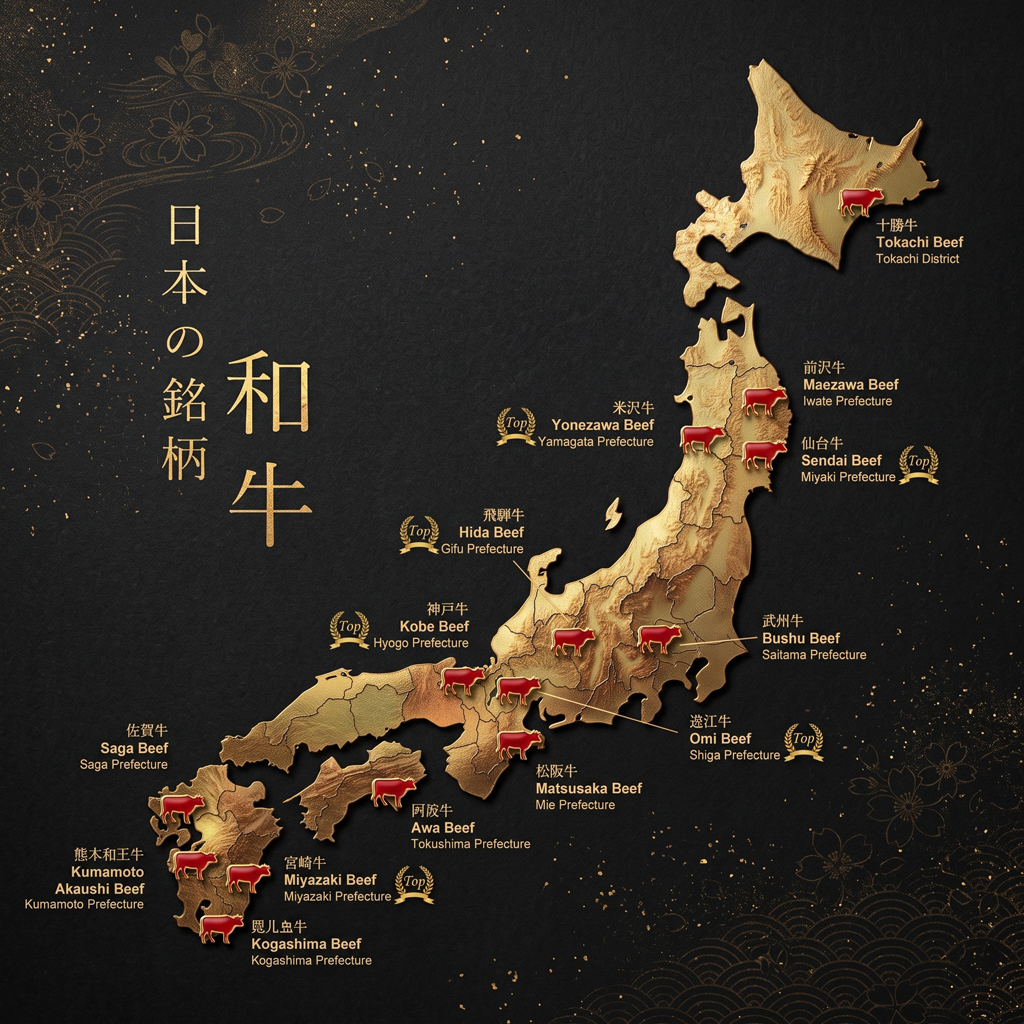
Japan’s celebrated beef names reflect more than geography. Each regional brand is shaped by local production standards, cattle lineage and farming traditions. From Hokkaido to Kyushu, these names help tell the story behind Japan’s most sought-after beef.
From the wide agricultural plains of eastern Hokkaido, Tokachi Beef represents the region’s strong farming heritage and cool northern climate.
Maezawa Beef comes from the Maezawa area of Oshu in northern Japan. It is a respected Tohoku brand known for careful Japanese Black cattle production.
Raised around Yonezawa in Yamagata’s mountain basin, Yonezawa Beef is one of the historic beef names of the Tohoku region.
Sendai Beef is Miyagi’s leading Japanese Black brand. Its official designation is reserved for cattle raised by registered producers in Miyagi and meeting exceptionally high grading standards. Miyagi Prefecture
Hida Beef comes from the mountainous heart of Gifu Prefecture, including the Takayama and Hida area. The brand is closely associated with Japanese Black cattle raised within the prefecture. Hida Beef Brand Promotion Council
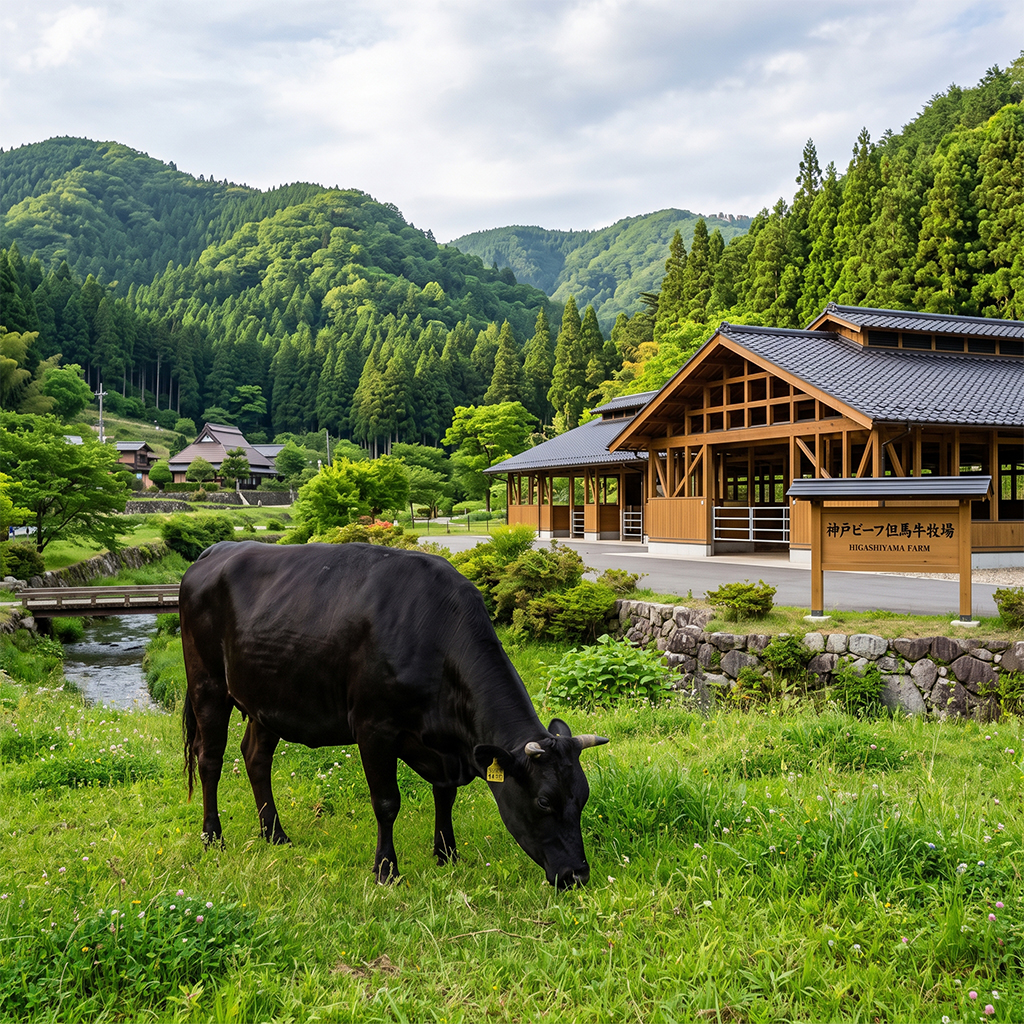
Kobe Beef is not a general term for Japanese beef. It is a tightly certified Hyogo brand made from eligible Tajima cattle that meet defined lineage, grading and processing standards. JETRO
Bushu Beef originates in Saitama, the area historically known as Bushu. It represents the Wagyu tradition of the Kanto region, just north of Tokyo.
From Shiga Prefecture near Lake Biwa, Omi Beef is one of Japan’s most recognised regional beef names and a celebrated Kansai Wagyu tradition. Japan National Tourism Organization
Matsusaka Beef comes from Mie Prefecture on the Kii Peninsula. Alongside Kobe and Omi, it is among Japan’s best-known premium regional beef brands. Japan National Tourism Organization
Saga Beef is produced from Japanese Black cattle raised by approved farmers in Saga Prefecture. The official name is reserved for beef meeting demanding marbling and grading requirements. Saga Beef Official
Awa Beef comes from Tokushima on the island of Shikoku. “Awa” is the historic regional name, connecting the beef to Tokushima’s local livestock heritage. Tokushima Prefecture
Kumamoto Akaushi originates in Kumamoto, especially the grasslands around Aso. Unlike the more common Japanese Black, Akaushi is Japanese Brown cattle, valued for its more red-meat-forward character and balanced fat. Japan Meat Information Service
Miyazaki Beef comes from southern Kyushu. The Miyazaki-gyu name is used for carefully graded Japanese Black cattle produced in the prefecture. Japan National Tourism Organization
Kagoshima Beef originates at the southern end of Kyushu. The region is widely associated with Kagoshima Kuroge Wagyu, a Japanese Black beef tradition shaped by the prefecture’s major livestock industry.
Explore the character of every Wagyu cut, from intensely marbled short rib to leaner, beef-forward skirt. Each cut offers its own balance of softness, richness and rarity, grilled fresh at your table for the full Japanese yakiniku experience.
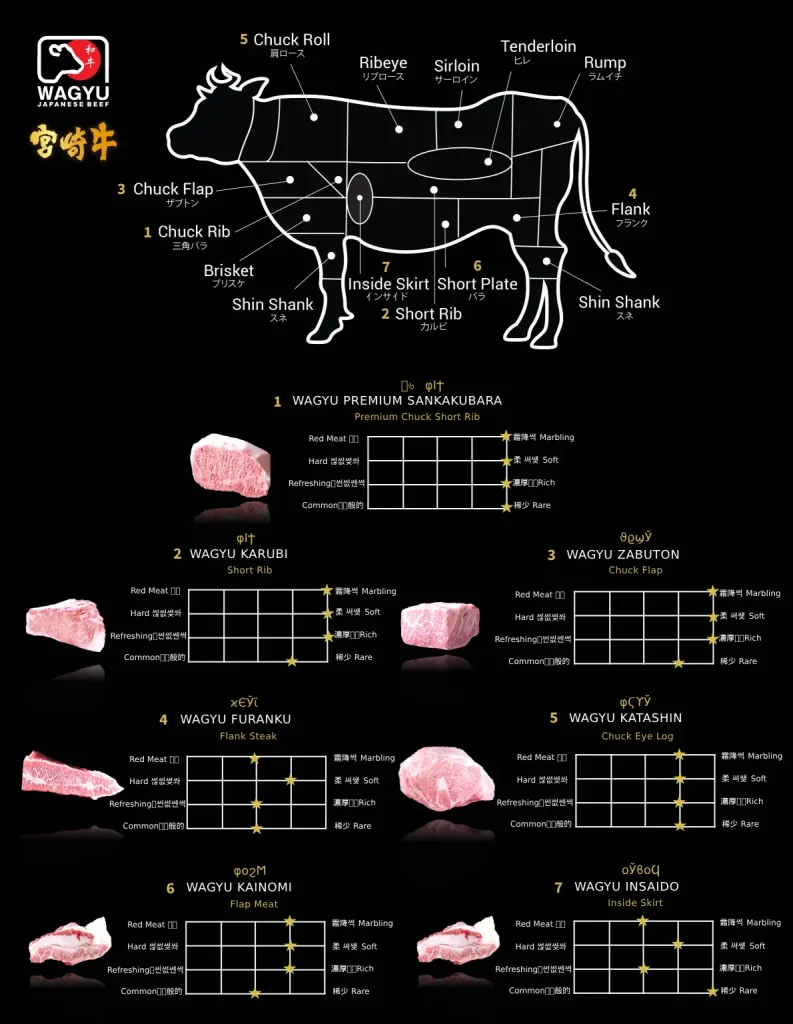
From the shoulder-side rib area, Sankaku Bara is a small-yield cut with intense, fine marbling. It melts quickly over the grill, creating an exceptionally soft, buttery texture and a long, luxurious finish.
Profile: Marbling 5/5 | Softness 5/5 | Richness 5/5 | Rarity 5/5
Karubi is a classic yakiniku cut from the rib and short-plate area. Its generous marbling delivers a juicy, succulent bite with bold Wagyu richness. Grill briefly to caramelise the edges while keeping the centre tender.
Profile: Marbling 5/5 | Softness 5/5 | Richness 5/5 | Rarity 4/5
Named after a cushion because of its shape, Zabuton is a prized cut from the shoulder. It combines delicate marbling with a remarkably soft texture, giving each bite a rich, silky character without being heavy.
Profile: Marbling 5/5 | Softness 5/5 | Richness 5/5 | Rarity 4/5
Cut from the lower abdominal area, Flank has a more visible grain and a cleaner beef flavour than heavily marbled short rib. It is moderately tender, satisfying and balanced, making it ideal for guests who prefer more meatiness in every bite.
Profile: Marbling 2/5 | Softness 3/5 | Richness 3/5 | Rarity 3/5
Kata Shin is the central, refined part of the shoulder. It offers a balanced combination of lean Wagyu flavour, gentle marbling and a tender bite when sliced thinly for yakiniku.
Profile: Marbling 3/5 | Softness 3/5 | Richness 3/5 | Rarity 3/5
Kainomi sits where the rib meets the belly and is one of the most sought-after cuts for yakiniku. It has the softness of a premium steak cut with the savoury depth of short rib, delivering rich flavour without overwhelming heaviness.
Profile: Marbling 4/5 | Softness 4/5 | Richness 4/5 | Rarity 4/5
Inside Skirt is a long, flavourful cut from near the diaphragm. It has less marbling than short rib but a deeper, more direct beef character, with a satisfying chew and a clean finish. It is a rare cut because only a limited portion is available from each animal.
Profile: Marbling 2/5 | Softness 3/5 | Richness 2/5 | Rarity 4/5
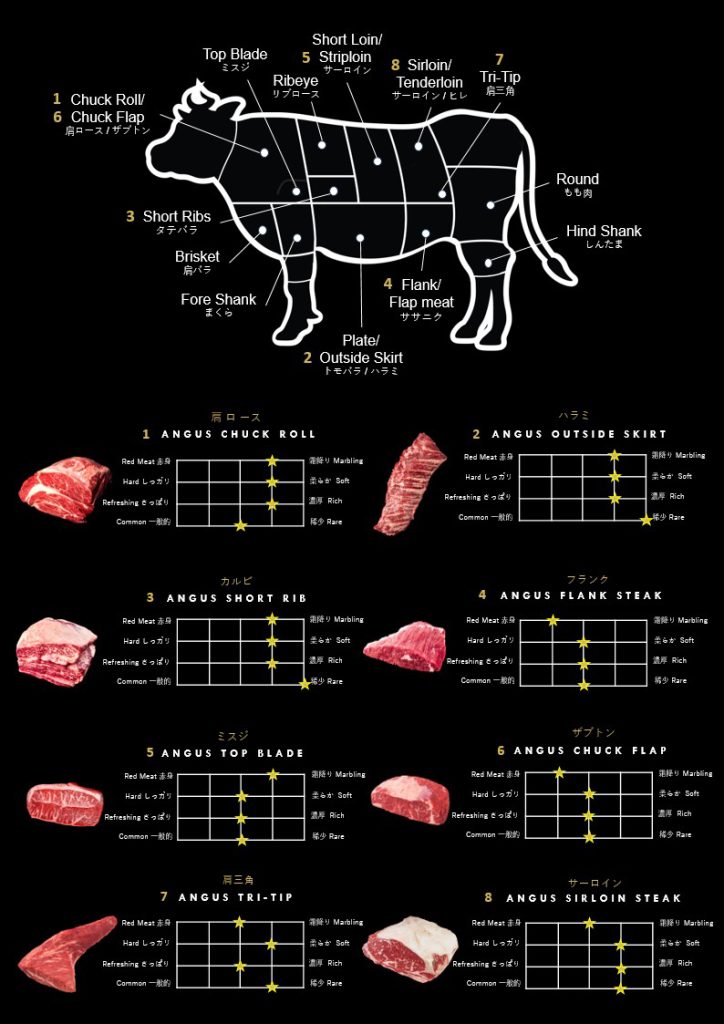
Cut from the shoulder, Chuck Roll has generous marbling and a deep, robust beef flavour. It becomes juicy and tender on the grill, with a satisfying richness that lingers after each bite.
Profile: Marbling: High | Softness: High | Richness: High | Rarity: Medium
Outside Skirt is a limited-yield cut with a loose grain and concentrated savoury flavour. Quick grilling keeps it tender and juicy, while its bold character makes it ideal for guests who enjoy a more intense beef taste.
Profile: Marbling: High | Softness: High | Richness: High | Rarity: Very High
A yakiniku favourite, Angus Short Rib is richly marbled and full-bodied. The fat renders beautifully over high heat, creating tender slices with caramelised edges and a deeply satisfying finish.
Profile: Marbling: High | Softness: High | Richness: High | Rarity: High
Flank Steak is leaner, with a defined grain and clean beef flavour. It offers a firmer but enjoyable bite and a lighter finish than the richer rib cuts.
Profile: Marbling: Medium | Softness: Medium | Richness: Medium | Rarity: Medium
From the shoulder, Top Blade offers a balanced combination of tenderness and full Angus flavour. Its moderate marbling keeps it juicy on the grill while allowing the natural beef character to stand out.
Profile: Marbling: High | Softness: Medium | Richness: Medium | Rarity: Medium
Chuck Flap is a flavourful shoulder cut with a soft bite and balanced marbling. It delivers a savoury, satisfying richness without being as heavy as short rib.
Profile: Marbling: Medium | Softness: Medium | Richness: Medium | Rarity: Medium
Tri-Tip comes from the lower sirloin and is valued for its lean, beef-forward profile. It has a pleasant firmness, gentle marbling and a clean finish that makes it a versatile cut for the grill.
Profile: Marbling: Medium | Softness: High | Richness: Medium | Rarity: High
Sirloin is a refined cut from the back loin, known for its tenderness and classic steak flavour. Its balanced marbling creates a soft, juicy texture with a rich but elegant finish.
Profile: Marbling: High | Softness: High | Richness: High | Rarity: High
The best Wagyu meal is the one where you understand what you are ordering and can enjoy it at the right temperature. At Nikuya Yakiniku, Wagyu is served for grilling at the table, with the opportunity to compare cuts and pair them with Japanese side dishes, seafood, vegetables, and drinks. Nikuya is at Königin-Elisabeth-Straße 52, 14059 Berlin.
Wagyu can be more expensive because of its breeding, rearing, grading, limited supply, import and handling requirements, and the high level of marbling in premium cuts. The price depends on origin, grade, cut, and portion.
No. A5 is a Japanese grading classification, not a general name for every Wagyu product. The exact eating experience still depends on the cut, marbling, origin, and preparation.
Thin Yakiniku slices usually need only a short sear on each side. The right time depends on thickness and the cut, so ask the team for guidance and avoid overcooking highly marbled beef.
Yes. View the current menu online, then speak with the Nikuya team about the Wagyu cuts and sets available on the day of your visit. Our Menu
Nikuya Yakiniku is at Königin-Elisabeth-Straße 52, 14059 Berlin.
Opening hours are Sunday to Thursday, 17:00-22:30, and Friday to Saturday, 17:00-23:00.
Reserve ahead for evenings, weekends, celebrations, and group dining.
Nikuya Yakiniku is located in Berlin at Konigin-Elisabeth-Strasse 52. Browse the menu before your visit, discover the Wagyu and beef cuts available for grilling, or reserve a table for your next dinner, celebration, or group meal.